
11月 . 01, 2024 01:03 Back to list
Understanding Different Varieties of High Carbon Steel and Their Applications
Types of High Carbon Steel
High carbon steel is a type of steel that contains a higher percentage of carbon compared to medium and low carbon steels. Typically, high carbon steel is defined as having between 0.6% to 1.4% carbon content. This elevated carbon content imparts several unique properties to the steel, significantly enhancing its hardness, strength, and wear resistance. These characteristics make high carbon steel suitable for a variety of applications that require durability and resilience. In this article, we will explore the types of high carbon steel and their specific uses.
One of the primary types of high carbon steel is 1095 steel, which contains approximately 0.95% carbon. This type is known for its exceptional hardness and edge retention, making it an ideal choice for manufacturing knives and cutting tools. The high carbon content allows it to be heat-treated effectively, resulting in a steel that can achieve a hardness of up to 60 HRC (Rockwell hardness scale). However, its brittleness can be a downside, so it is crucial to handle tools made from 1095 steel with care.
Another popular variety is 1080 steel, which contains about 0.80% carbon. Like 1095 steel, it offers a good balance between hardness and toughness, making it suitable for applications such as springs, blades, and tools. The additional manganese found in this steel further enhances its hardenability, making it easier to maintain a uniform hardness through the material during heat treatment. 1080 steel is often used in the production of automotive components and applications that demand better wear resistance.
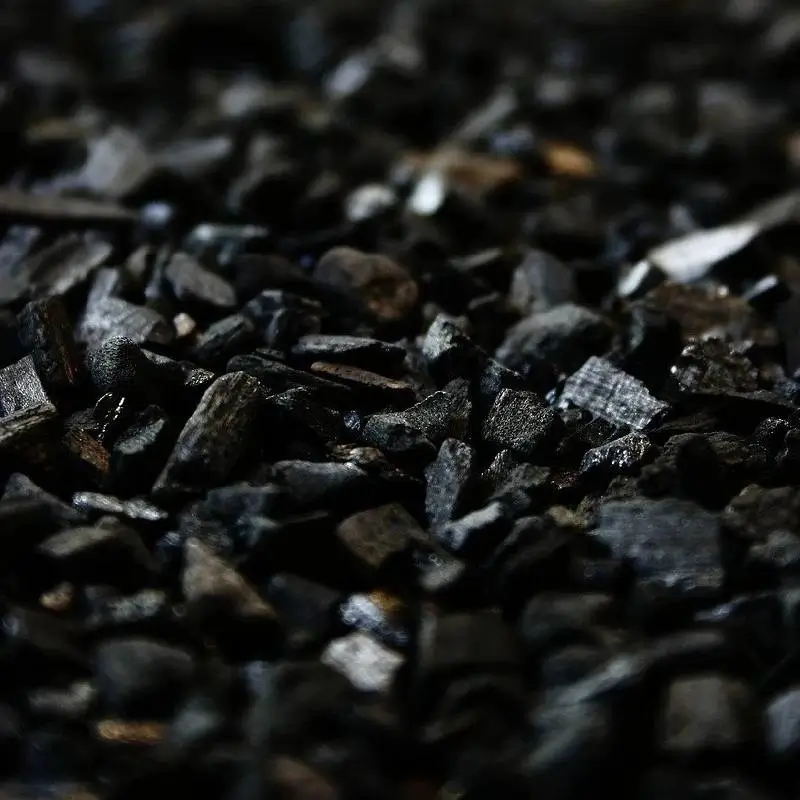
types of high carbon steel
A slightly lower carbon content is found in 1075 steel, containing around 0.75% carbon. This type is known for its good strength and toughness, making it suitable for a variety of applications like gears, blades, and high-strength wires. 1075 steel can be easily forged and shaped, allowing for versatile uses in many industries. It strikes a good balance between hardness and ductility, making it a reliable choice for tools that must endure impact.
1050 steel, containing about 0.50% carbon, is another type worth mentioning. This steel is often used in the manufacturing of surgical instruments, hand tools, and parts that require considerable toughness. It can achieve a high hardness level while retaining enough ductility to avoid breaking under stress. The presence of carbon allows 1050 steel to be hardened through heat treatment, making it a versatile option for various applications.
Beyond these specific grades, high carbon steel also includes various alloyed versions, which incorporate elements like chromium, vanadium, or molybdenum. These alloying elements can enhance specific properties, such as corrosion resistance or toughness, making the steel even more versatile. For instance, D2 tool steel, which contains around 1.5% carbon and is alloyed with chromium, is used in the manufacture of high-quality tools that require exceptional wear resistance.
In conclusion, high carbon steel is invaluable in many industrial and commercial applications due to its strength, hardness, and wear resistance. With different grades available, ranging from 1095 to 1050 and even alloyed versions, manufacturers can select the right type of high carbon steel tailored for specific needs. Understanding the properties of these types can lead to better material choices and improved performance in various applications.
 China
China  English
  Arabic
  Dutch
Dutch  French
  German
  Japanese
  Korean
  Portuguese
  Russian