
4月 . 01, 2024 10:50 Back to list
Best home water filters that remove PFAS (forever chemicals) and other contaminants
Does your drinking water contain dangerous chemicals?
A new U.S. Geological Survey study estimates that per-and polyfluoroalkyl substances, or PFAS (also known as forever chemicals) are found in drinking water from 45% of faucets across the U.S. The study included both private wells and public supply sites in all 50 states, plus Puerto Rico, the U.S. Virgin Islands and the District of Columbia.
PFAS have been linked to a range of health problems, including certain forms of cancer. You may be able to reduce the amount of PFAS in your home's water with a water filter. But not all water filters are the same. Here's what you need to know about PFAS and water filters.
"Several common filters have been shown to be effective in reducing PFAS in drinking water," says Dr. Andrew Lazur, a University of Maryland water quality specialist. "These include activated carbon, ion exchange and reverse osmosis.
Raw coal crushed activated carbon
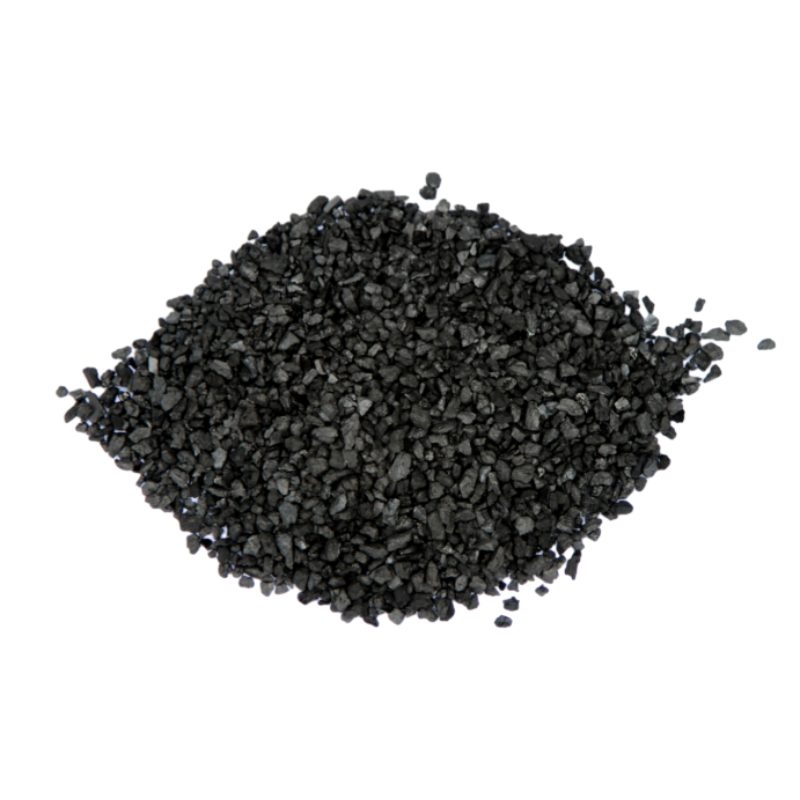
"Homeowners should look for a third-party certified filter when buying a filter."
Are you wondering if your water even has PFAS in the first place?
"The US Environmental Protection Agency (EPA) requires public water utilities to provide an annual drinking water quality report, or Consumer Confidence Report, to their customers," Lazur says. To find your local report, go here.
For those with a private well for drinking water, Lazur says you're responsible for testing and treating your own water. He recommends contacting your local health department -- it may be able to provide information on certified laboratories that test water in your area.
The best water filters for PFAS
The below filters are certified to filter PFAS by the Water Quality Association (WQA). The WQA is a trade association representing the water treatment industry. Lazur advises you read their labels to see the specific percentage of PFAS they to reduce.
 China
China  English
  Arabic
  Dutch
Dutch  French
  German
  Japanese
  Korean
  Portuguese
  Russian