
Nov . 15, 2024 01:23 Back to list
where carbon is found
Where Carbon is Found
Carbon is an essential element of life, serving as the foundation for organic molecules and playing a crucial role in various biological processes. This versatile element is abundant in nature and can be found in many different forms and locations. Understanding where carbon is found is essential to grasp its significance in both environmental science and everyday life.
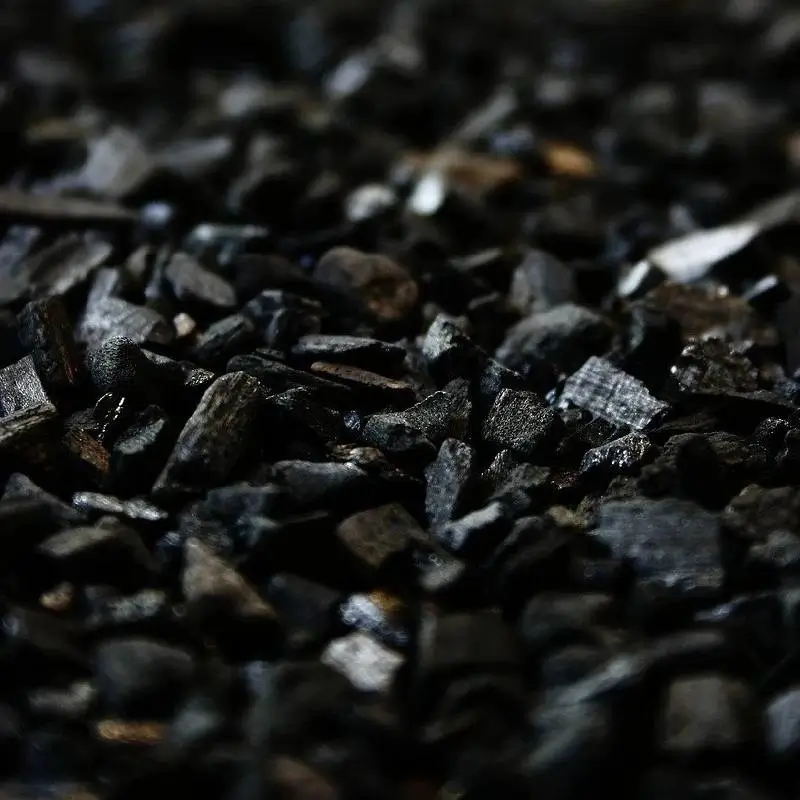
One of the most significant repositories of carbon is in the Earth’s crust. Here, it exists primarily in the form of minerals such as carbonates. Limestone, composed mainly of calcium carbonate (CaCO3), is a common example found in many geological formations. When rocks weather and erode, they release carbon compounds into the soil, contributing to the soil's fertility. In addition to limestone, coal is another notable carbon-rich material found in the crust. Formed from the remains of ancient plants, coal is primarily carbon and is a major source of energy, albeit with significant environmental drawbacks when burned as a fossil fuel.
In addition to geological formations, carbon is prevalent in the atmosphere, where it exists mainly as carbon dioxide (CO2). This greenhouse gas is produced by various natural processes, including respiration, decomposition, and volcanic eruptions. Human activities, such as the combustion of fossil fuels for energy and deforestation, have significantly increased atmospheric CO2 levels, contributing to climate change. The balance of carbon in the atmosphere is vital for maintaining the Earth’s temperature and supporting life.
Carbon is also found in the oceans, where it exists in dissolved form and as part of marine organisms. The oceans act as a significant carbon sink, absorbing vast amounts of CO2 from the atmosphere. Phytoplankton, microscopic plants in the ocean, utilize carbon dioxide during photosynthesis. These organisms are essential for regulating carbon levels and producing oxygen. When marine organisms die, their remains build up on the ocean floor, sequestering carbon for long periods and contributing to the oceanic carbon cycle.
where carbon is found
In terrestrial ecosystems, carbon is stored in plants, soil, and dead organic matter. Plants absorb carbon dioxide during photosynthesis, converting it into organic compounds that form the basis of plant tissues. Forests, in particular, are significant carbon sinks, storing large quantities of carbon in both biomass (such as trunks, leaves, and roots) and soils. When trees die or are cut down, the stored carbon is released back into the atmosphere through decomposition or combustion, emphasizing the importance of sustainable forest management.
Soil is another vital reservoir of carbon, containing organic matter decomposed from dead plants and animals. Healthy soils are rich in carbon, which enhances soil structure, fertility, and overall ecosystem health. Agricultural practices that prioritize soil health, such as cover cropping and reduced tillage, can improve carbon sequestration and thereby contribute positively to climate stabilization.
In the context of human innovation, carbon can also be found in synthetic materials. Carbon-based compounds are integral in the production of plastics, pharmaceuticals, and various industrial chemicals. The development of alternatives to traditional carbon-emitting materials, such as biodegradable plastics made from plant-based sources, reflects a growing awareness of the need for sustainable solutions.
In summary, carbon is a ubiquitous element found in diverse forms across the Earth, ranging from geological formations and the atmosphere to oceans and living organisms. Its various roles—from being a fundamental building block of life to influencing the climate—underscore its importance in maintaining ecological balance. As we continue to navigate the challenges posed by climate change, understanding where carbon is found and how to manage it responsibly will be crucial for fostering a sustainable future. Whether through conserving forests, improving agricultural practices, or innovating in material science, efforts to manage carbon will have lasting impacts on our planet and its ecosystems.
 Portuguese
  English
  Arabic
  China
China  Dutch
Dutch  French
  German
  Japanese
  Korean
  Russian