
Apr . 01, 2024 12:22 Back to list
WHAT DOES A CARBON WATER FILTER DO? carbon water filter
For optimal health, fresh drinking water is a necessity. Not only does fresh drinking water provide a better taste, but it is safer as well. Unfortunately, in some situations, sanitized water isn’t always a healthy alternative either, because of the harsh chemicals that are used to clean the liquid. Water purification by way of a carbon filter physically blocks contaminants, so it not only improves the taste of drinking water but also makes it safer to consume.
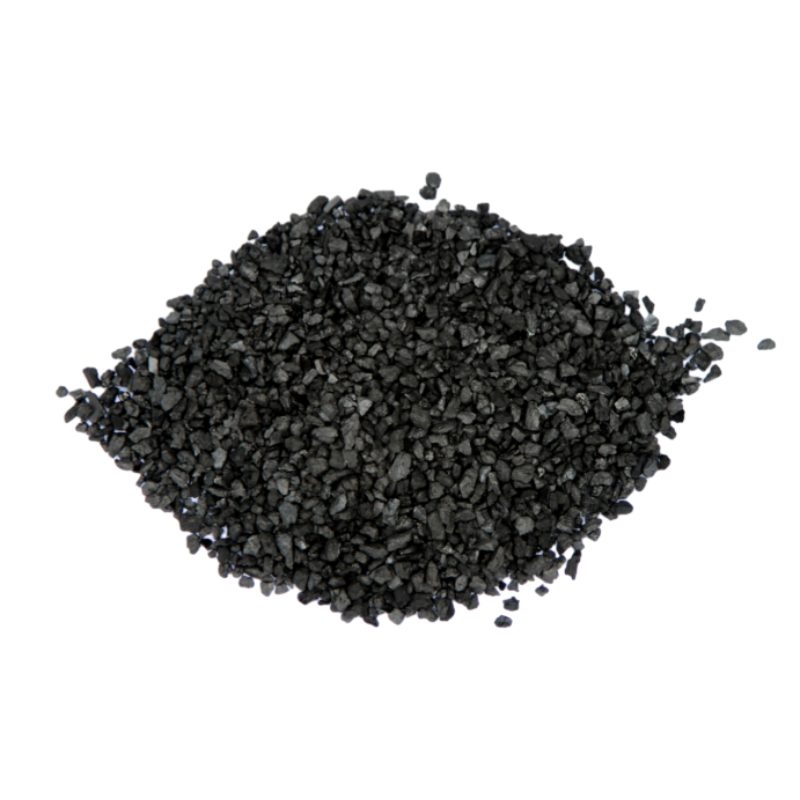
Raw coal crushed activated carbon
HOW DO CARBON FILTERS WORK?
Your drinking water is properly sanitized through your city or county, but the problem is the chemicals used to sanitize the water may be dangerous. A carbon filter will protect your family from the dangerous contaminants and chemicals that are often found in drinking water. So, how exactly does a carbon filter work? As the water enters the filter, it passes through various stages, the first of which is a filter made from refined cotton, which causes the water to attain a positive molecular charge. Bacterial and colloidal bacteria contaminants exude a negative charge, so in phase one the filter absorbs these contaminants. In the second stage, the water flows through the actual carbon, which removes more dangerous stuff, such as microscopic organisms. The carbon also changes the molecular structure of lead, pesticides and chlorine that have seeped in the drinking water. In the final stage, the water passes through a pharmaceutical grade filter that seals the carbon block to ensure it stays intact and extends the life of the carbon water filter.
ARE CARBON FILTERS ALL THE SAME?
There are two types of carbon filtration options; block carbon and granular activated carbon. Activated carbon creates a positive charge, which attracts some harmful impurities; however, block carbon has a significantly higher contaminant removal ratio. It is important to note that there are several factors that affect the contaminant removal ratio, including the amount of carbon that is in the filtering unit, the amount of time contaminants are in contact with the carbon, the water flow and the size of the particle. Carbon can generally remove particles that are 50-0.5 micrometers in size.
WHAT CAN A CARBON FILTER REMOVE?
Carbon filters are highly effective at removing a wide range of dangerous chemicals, including:
- Chlorine
- Radon
- Benzene
- Volatile organic chemicals (VOC), such as herbicides and pesticides
- Solvents trihalomethane compounds
- Lead
Not only does carbon filters remove harmful chemicals from your drinking water, but they also remove bad odors and bad tastes from the water.
When you look at the water in your glass or bottle, you probably assume that if it is clear, it is probably safe to drink. Thankfully, this is most often the case; however, even the cleanest looking drinking water often contains particles that are too small to be seen with the naked eye. Generally, there are small amounts of dissolved minerals that are present, which can alter the taste of your water. Carbon water filters help to ensure that you are drinking clean, fresh tasting water. They are affordable, a much better value than bottled water and they do not require the use of environmentally unfriendly plastic.
 Portuguese
  English
  Arabic
  China
China  Dutch
Dutch  French
  German
  Japanese
  Korean
  Russian