
Nov . 27, 2024 07:20 Back to list
Assessing Carbon Monoxide Toxicity and Its Effects on Human Health and Environment
Understanding Toxic Levels of Carbon Monoxide
Carbon monoxide (CO) is a colorless, odorless gas that poses significant health risks to humans and animals. Understanding the toxic levels of carbon monoxide is essential for ensuring safety in residential and occupational environments. This discussion delves into the sources, effects, measurement standards, and prevention methods related to carbon monoxide toxicity.
Sources of Carbon Monoxide
Carbon monoxide is primarily produced by the incomplete combustion of carbon-containing fuels. Common sources include motor vehicles, industrial processes, residential heating systems, and gas appliances such as stoves and water heaters. In urban areas, traffic emissions contribute significantly to ambient CO levels, especially in poorly ventilated spaces. Additionally, activities like wood-burning stoves and charcoal grilling can also produce harmful amounts of carbon monoxide.
Toxic Effects and Exposure Symptoms
When inhaled, carbon monoxide enters the bloodstream and binds with hemoglobin, forming carboxyhemoglobin. This process reduces the blood's ability to carry oxygen, leading to hypoxia, which can damage tissues and organs. The toxicity of carbon monoxide varies with exposure duration and concentration. According to the World Health Organization (WHO), exposure to carbon monoxide levels of 35 parts per million (ppm) is considered the threshold for health risks during an 8-hour period. Short-term exposure to concentrations of 200 ppm can cause symptoms like headaches, dizziness, confusion, and even unconsciousness. At extremely high levels, such as 800 ppm, carbon monoxide can be fatal within minutes.
Measurement Standards
Regulatory bodies have established guidelines for safe levels of carbon monoxide in the environment. The Occupational Safety and Health Administration (OSHA) in the United States sets permissible exposure limits (PEL) at 50 ppm for an 8-hour workday. The National Ambient Air Quality Standards (NAAQS) also define the allowable concentration limit of CO in outdoor air, which is 9 ppm averaged over 8 hours and 35 ppm averaged over 1 hour.
toxic levels of carbon monoxide
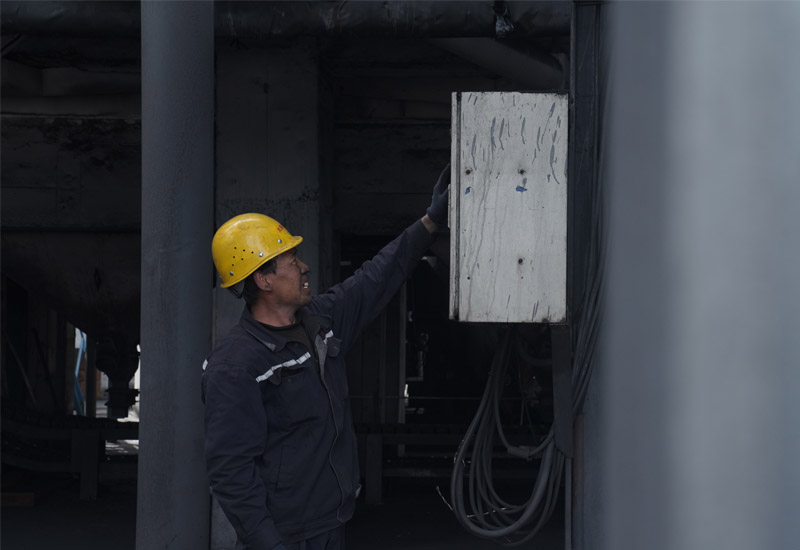
Environmental monitoring for carbon monoxide typically involves the use of gas analyzers that provide real-time readings. These devices can be found in both residential settings and industrial workplaces, ensuring that CO levels remain within safe limits. Public awareness campaigns are crucial in educating communities on the risks of CO exposure and the importance of monitoring.
Prevention and Safety Measures
Preventing carbon monoxide poisoning requires a multi-faceted approach. Key measures include the installation of combustion appliances that are compliant with safety regulations, proper ventilation in enclosed spaces, and regular maintenance of heating systems. Homeowners are encouraged to have their appliances inspected by qualified professionals to ensure they are functioning correctly and safely.
The installation of carbon monoxide detectors is one of the most effective ways to safeguard against CO buildup indoors. These compact devices can alert residents to dangerous CO levels long before symptoms appear. It is recommended to place detectors in sleeping areas and on every floor of a home.
Moreover, educating the public about the dangers of carbon monoxide exposure is essential. Awareness campaigns can inform individuals about the symptoms of CO poisoning and promote safe practices, such as never running vehicles in enclosed spaces and being cautious when using gas appliances.
Conclusion
Carbon monoxide poses a serious threat to public health, and understanding its toxic levels is vital for prevention and response. By being aware of the sources and symptoms of CO poisoning, adhering to measurement standards, and implementing safety measures, individuals can significantly reduce the risk associated with this silent killer. Ongoing education and vigilance are key components in the fight against carbon monoxide toxicity, ensuring safer living and working environments for all.
 Dutch
Dutch  English
  Arabic
  China
China  French
  German
  Japanese
  Korean
  Portuguese
  Russian