
Apr . 01, 2024 09:30 Back to list
How to Remove Chlorine from Drinking Water charcoal water filter
According to the United States Geological Survey, about 86 percent of Americans rely on the public water supply for their drinking water. This means 86 percent of the population’s water contains some level of chlorine. While chlorine provides the benefit of disinfection, it can also ruin the taste and smell of water. Once chlorine has performed its role in your water, you may wish to remove with the help of a water treatment system. In this article, you can discover why chlorine is added to water and the many treatment options to remove it from water at your home.
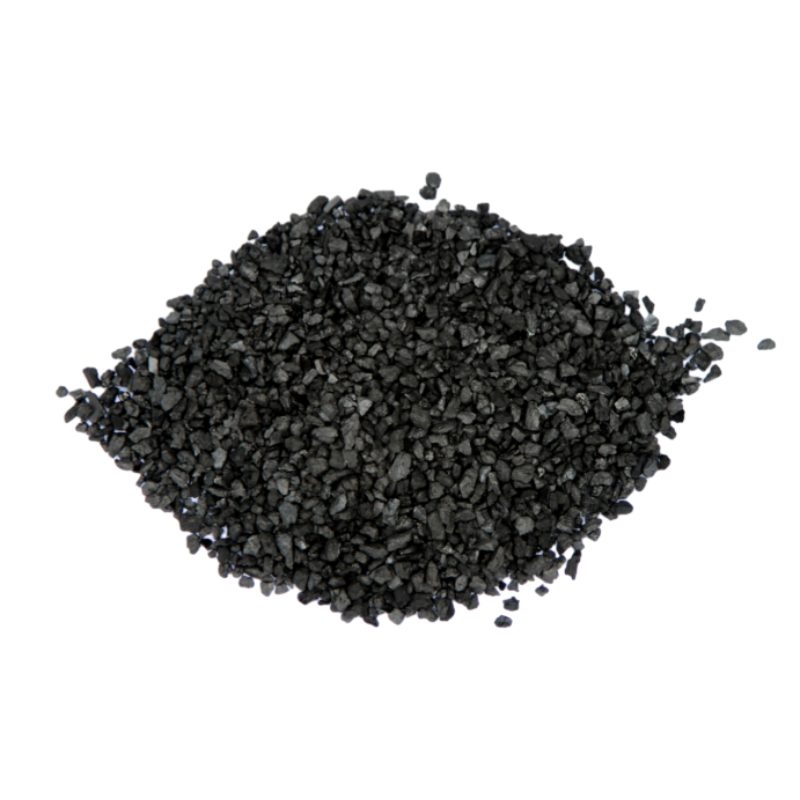
Raw coal crushed activated carbon
Key takeaways
- Chlorine is added to water to kill bacteria, viruses, parasites, and all other microorganisms.
- Chlorine is safe to drink at levels present in municipal water, but it gives water an unpleasant taste and odor.
- You can remove chlorine from water at your home with an activated carbon filter, water distiller, reverse osmosis system, refrigerator filter, or water pitcher filter.
- Water distillers and reverse osmosis systems remove more contaminants than the other systems, but they come at a premium cost.
What is chlorine used for?
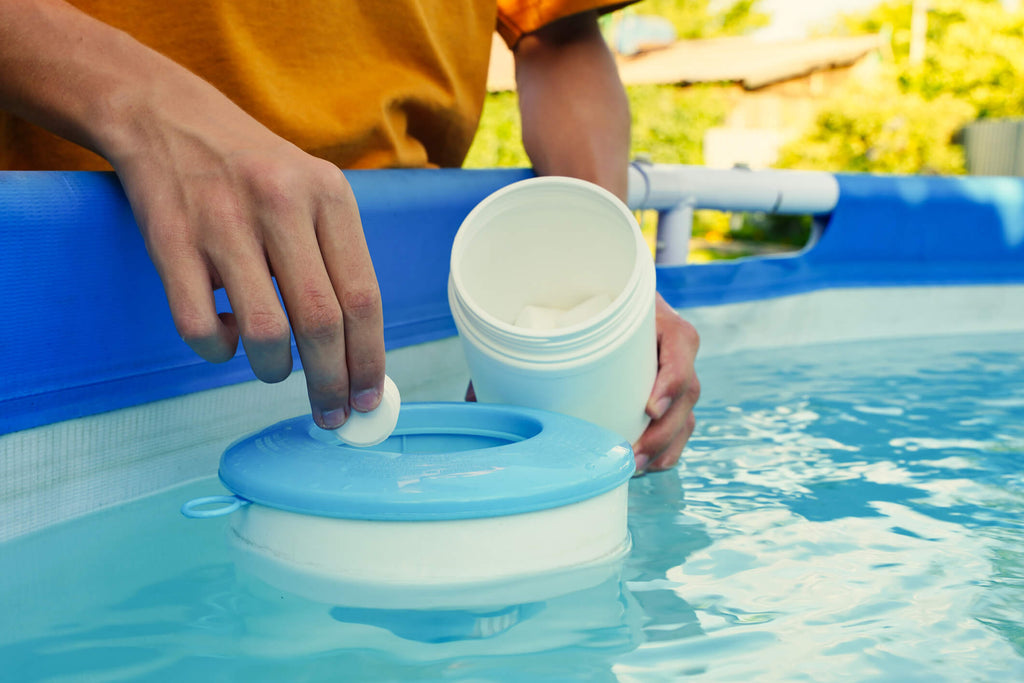
Chlorine is a chemical element that is used as a disinfectant in many different applications. It is found in a variety of cleaning products for the home, such as bleach and pool shock. Because of its ability to kill microorganisms, it is used to treat sewage, industrial waste, municipal water, and pool water. Chlorine is very unstable, so if allowed to sit in resting water, it will evaporate. This is why pools must regularly add chlorine to water to properly disinfect it.
Are chlorine and chloramines the same?
No, chlorine and chloramines have similar properties, but they are not the same. Chlorine is an unstable element used to disinfect water, clothes, and other household items. Chloramines, on the other hand, are a group of chemical compounds formed when chlorine reacts with ammonia. Chloramines are much more stable than chlorine, making them more difficult to remove from water. Chloramines also last longer in water than chlorine, so its disinfectant properties are still effective when water reaches your home. In municipal water treatment, both chlorine and chloramines are commonly used to kill microorganisms in water, so your home water treatment system must be able to remove both to rid water of foul tastes and odors.
Why is chlorine in tap water?
Chlorine and chloramines are added to water by treatment plants to kill bacteria, viruses, parasites, and other microorganisms. Without these chemicals, anyone drinking municipal water would be at risk of waterborne illness. While water flows from the treatment plant to your home, the chlorine concentration decreases, so you are not subjected to the same chlorine levels that are used to treat the water.
Is chlorine safe to drink?
The CDC considers up to 4 parts-per-million (ppm) of chlorine in water to be safe to drink long-term. The EPA regulates municipal water to contain fewer than 4 ppm of chlorine, so the chlorine content of city-treated water is deemed unlikely to cause long-term health effects. While currently considered safe to drink at these levels, chlorine and chloramines both contribute to foul tastes and odors in water. If you wish to remove the foul tastes and odors caused by chlorine, chloramine, and other contaminants, you will need to install an appropriate water treatment system somewhere in your home.
If chlorine levels are above 4 ppm in your water, health problems have a greater chance of occurring over long-term exposure. Some symptoms associated with too much chlorine consumption include the following:
- Asthma symptoms
- Nausea and diarrhea
- Increased food allergies
- Congenital abnormalities
- Certain types of cancer
Keep in mind that these symptoms, with the exception of nausea and diarrhea, are only associated with consistent overexposure to chlorine in water. If you drink municipal water daily, you should not be at risk for these symptoms.
Is chlorine safe to bathe in?
Yes, chlorine is safe to bathe in, but it can cause some unwanted side effects on your hair and skin. Chlorine can dehydrate skin, especially if you already have a skin condition like eczema or psoriasis. When bathed in regularly, chlorine can cause skin to turn red and flakey and hair to become dry and lifeless. If you wish to get rid of chlorine in your shower, you can install a whole-house activated carbon filter or a showerhead filter.
Is chlorine safe for plants?
While plants can survive when watered with chlorinated water, chlorine kills beneficial bacteria in soil that helps plants thrive. You may notice that your plants seem healthier after rainfall than after manually watering them. Unlike municipal water, rainwater does not contain chlorine or fluoride, both elements that can be hazardous to plants. While many plants may be able to survive drinking municipal water, it is best to run the water through a filter first. A simple activated carbon filter reduces chlorine levels in water, but it will not remove fluoride. For the best results for your plants, use filtered water or rainwater for your garden. If you wish to save water while delivering the best water for your plants, consider collecting rainwater for your garden.
What filters remove chlorine from water?
Activated carbon filters and water distillers both effectively remove chlorine from water. Many types of water treatment, such as reverse osmosis, refrigerator filters, and water pitcher filters, incorporate a carbon filter to effectively remove the tastes and odors chlorine adds to water.
|
|
Activated Carbon Filters |
Water Distillers |
Reverse Osmosis Systems |
Refrigerator Filters |
Water Pitcher Filters |
|
Initial Cost |
$40-$250 |
$200-$1000 |
$250-500 |
$20-$60 |
$50-$200 |
|
Contaminants Reduced |
Foul tastes and odors
|
All contaminants |
All contaminants except certain bacteria |
Foul tastes and odors |
Foul tastes and odors |
|
Installation Method |
Mounts under sink |
Plugs in on countertop |
Mounts under sink |
Easy install in refrigerator |
Store in refrigerator |
|
Filter Change Frequency |
Twice a year |
None |
Prefilters and postfilters – twice a year RO membrane – once every 1 to 2 years |
Twice a year |
Once every 2 to 6 months (follow pitcher guidelines) |
Activated carbon filters
Activated carbon filters are often incorporated into other types of water filters, but they can also be standalone filters as well. Whole-house carbon filters, for example, provide water that is free from chlorine and chloramine to your entire home. Not only do these provide better-tasting drinking water, but they also allow you to bathe in water that is better for your skin and hair. However, they are much more expensive than under-sink filters.
Under-sink carbon filters are a more affordable method of carbon filtration than whole-house filters. Under-sink filters provide water to a single fixture, most commonly the kitchen sink. Once installed, these filters can be routed to your refrigerator, allowing for more versatility than a standard fridge filter. In contrast to refrigerator filters, under-sink carbon filters allow easy access to chlorine-free water for both drinking and cooking.
Advantages:
- Inexpensive
- Compact
- Provide high flowrate
Disadvantages:
- Does not remove as many contaminants as other systems
- Take up room under the sink
Water distillers
Water distillers remove practically all contaminants, including chlorine, from water. Because of their effectiveness, distillers are the only type of water treatment that provide pure enough water for certain applications, such as laboratories and hospitals. Unlike under-sink filters, water distillers do not require mounting or any complicated installation. Rather, they sit on your countertop and can operate at your convenience. Out of all water treatment systems used to remove chlorine, water distillers are by far the slowest. An average countertop water distiller takes about five to six hours to produce one gallon of treated water. If you live alone, this production rate may suffice, but a single water distiller cannot treat enough water for an entire family. Most water treatment systems use water pressure to allow water to flow through them. Distillers, on the other hand, use electricity to heat up water. This adds about 3 KWH to your electricity usage for each gallon of water treated.
Advantages:
- Provides extremely clean water
- No complicated installation
Disadvantages:
- Slow production rate
- High energy consumption
- High initial cost
Reverse osmosis
Reverse osmosis (RO) systems are one of the most popular water treatment systems that incorporate carbon filtration. In reverse osmosis systems, water is fed through a sediment and carbon prefilter before it is pushed through the RO membrane. This removes most of the chlorine from the water, but many systems also incorporate a carbon postfilter as well. This postfilter acts as a polishing filter, removing any foul tastes and odors that linger after the first few stages of treatment.
Advantages:
- Reduces almost all contaminants
- Does not need electricity (unless used with an RO booster pump)
Disadvantages:
- Produces water slower than activated carbon filters
- Takes up room underneath sink
- More expensive than simpler systems
Refrigerator water filters
Refrigerator water filters are the most popular type of water filter in the United States because of their convenience, simplicity, and effectiveness on municipal water. While they are not the most powerful form of water filtration, fridge filters remove chlorine, chloramines, and sediment to improve the taste and smell of water. For municipal water that has not been compromised, they provide safe, clean-tasting water. If you want robust water treatment at home, then you will want something more powerful than a refrigerator filter, such as a reverse osmosis system or a water distiller.
Advantages:
- Convenient
- Simple filter replacements
- Does not take up usable space
- Inexpensive
Disadvantages:
- Not as powerful as most other filters
- Only usable in specific fridges
Water pitcher filters
Water pitcher filters are the second most popular type of water filter in the United States, trailing only refrigerator filters. Like fridge filters, pitcher filters are a household staple because of their convenience, ease of use, and affordability. Most water pitcher filters are equipped with some kind of carbon filter to remove unwanted tastes and odors from tap water. However, some premium pitcher filters can remove more contaminants, such as lead and certain types of PFAS. Like fridge filters, water pitcher filters are excellent at improving the taste and smell of water, but they will not remove most contaminants. If you want more robust water treatment at home, consider a reverse osmosis system or a water distiller.
Advantages:
- Easy to use
- No complicated installation
- Inexpensive
Disadvantages:
- Slow filtration rate (in many cases)
- Takes up refrigerator space
- Frequent cartridge replacements
 Dutch
Dutch  English
  Arabic
  China
China  French
  German
  Japanese
  Korean
  Portuguese
  Russian