
Sep . 08, 2024 10:24 Back to list
Understanding Carbon Dioxide Pollution
The Impact of Carbon Dioxide Pollution on Our Environment
Carbon dioxide (CO2) pollution has emerged as one of the most pressing environmental challenges of our time. As the concentration of CO2 in the atmosphere continues to rise due to human activities, such as the burning of fossil fuels, deforestation, and industrial processes, it is essential to understand the implications of this increase on our planet and our future.
One of the most significant effects of elevated CO2 levels is global warming. Carbon dioxide is a greenhouse gas, meaning it has the ability to trap heat in the atmosphere. This leads to an increase in Earth's average temperature, causing climate change. According to the Intergovernmental Panel on Climate Change (IPCC), the global average temperature has already risen by approximately 1.2 degrees Celsius since the late 19th century. This seemingly small increase has resulted in more extreme weather conditions, melting ice caps, rising sea levels, and shifts in ecosystems around the world.
The consequences of climate change are profound. For instance, increased temperatures contribute to the frequency and intensity of natural disasters, such as hurricanes, droughts, and wildfires. These events not only pose direct threats to human lives but also wreak havoc on economies, agriculture, and biodiversity. Communities must grapple with the rising costs of disaster recovery, while farmers face challenges in crop yields and food security.
Moreover, the impact of CO2 pollution extends beyond just climate change. Oceans absorb a significant portion of atmospheric CO2, which leads to ocean acidification. This process alters the chemistry of seawater, threatening marine life, particularly organisms with calcium carbonate shells, such as corals and shellfish. The health of marine ecosystems is crucial for sustaining global fisheries and maintaining biodiversity. Disruption at this level has cascading effects on food chains, directly impacting human communities that rely on the ocean for their livelihoods.
carbon dioxide pollution
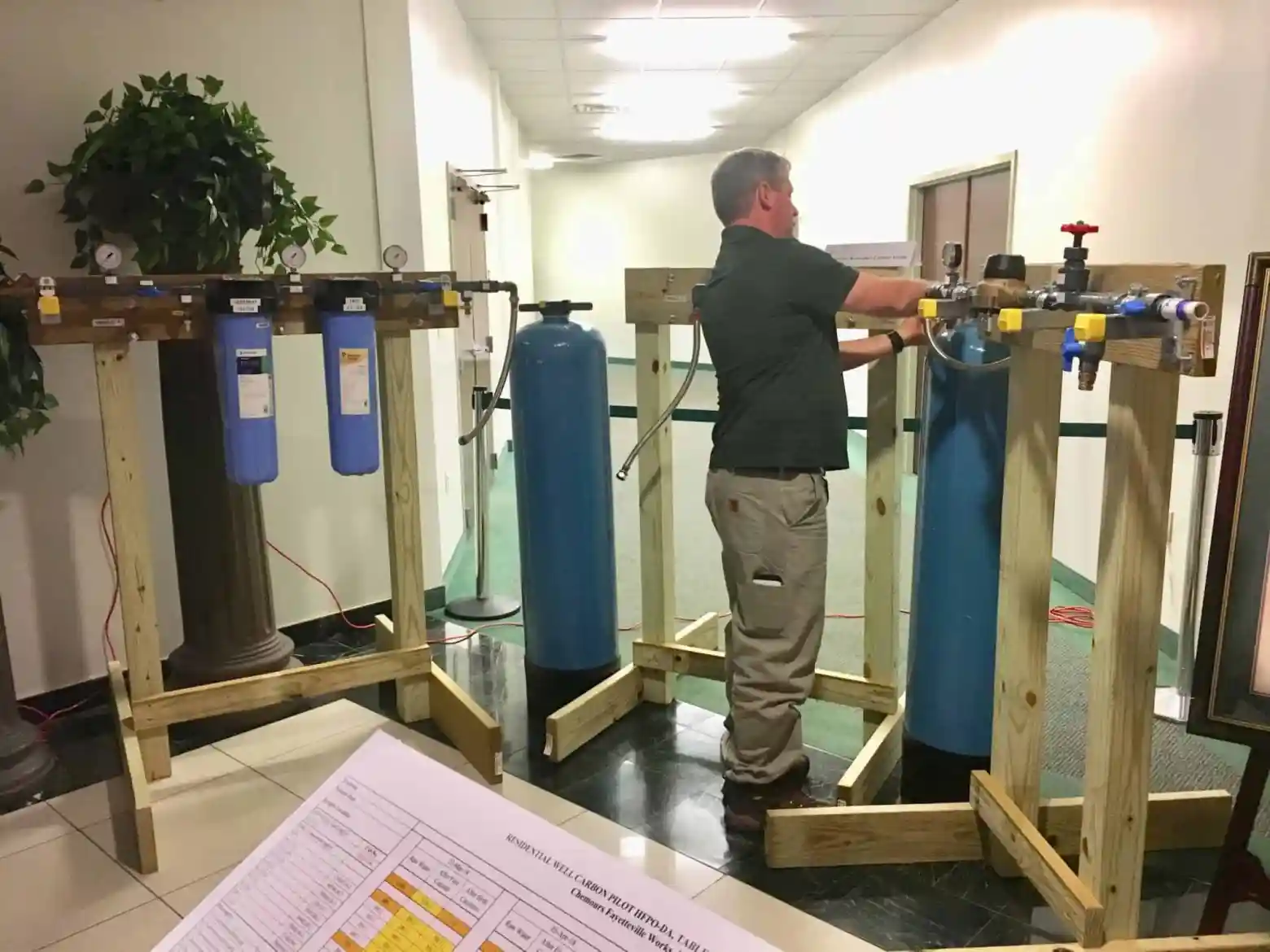
Addressing carbon dioxide pollution requires a multifaceted approach
. Transitioning to renewable energy sources, such as solar and wind, can dramatically reduce our reliance on fossil fuels. Additionally, improving energy efficiency in industries, buildings, and transportation can cut down on emissions. Governments, businesses, and individuals all have roles to play in this transition. Policies that promote clean energy use, such as tax incentives or subsidies for renewable energy projects, can encourage a shift away from carbon-heavy practices.In addition to reducing emissions, carbon capture and storage (CCS) technologies offer a promising solution for mitigating CO2 pollution. These systems capture carbon emissions from sources like power plants before they enter the atmosphere and store them underground or utilize them in other processes. Although still in development, CCS has the potential to play a significant role in achieving climate targets.
Individual actions also matter. Simple lifestyle changes, like using public transport, reducing meat consumption, and supporting sustainable products, can collectively make a difference. Education and awareness are essential in empowering people to take action against carbon dioxide pollution.
In conclusion, carbon dioxide pollution is a critical issue that requires immediate attention and action from all sectors of society. The effects of increased CO2 levels are already evident in our changing climate, disrupted ecosystems, and threatening marine life. By embracing sustainable practices, investing in innovation, and making conscious choices, we can work towards a healthier planet for present and future generations. The urgency of this challenge compels us to act now, as the future of our environment hangs in the balance.
 Dutch
Dutch  English
  Arabic
  China
China  French
  German
  Japanese
  Korean
  Portuguese
  Russian