
Nov . 19, 2024 19:42 Back to list
what does the carbon cycle do
The carbon cycle is a fundamental process that plays a crucial role in maintaining the Earth's climate and supporting the various forms of life that inhabit the planet. It refers to the continuous movement of carbon among the atmosphere, oceans, soil, plants, and living organisms. Understanding the carbon cycle is vital as it highlights the interconnections between biological, geological, and chemical processes, ultimately influencing the global climate.
At the heart of the carbon cycle is photosynthesis, the process by which plants, algae, and some bacteria convert carbon dioxide (CO2) from the atmosphere into organic matter using sunlight. During this process, these organisms absorb CO2 and release oxygen, which is essential for the survival of most life forms on Earth. Through photosynthesis, plants serve as a carbon sink, trapping carbon and providing the foundation for food chains.
.
Another significant aspect of the carbon cycle is the role of oceans. The ocean absorbs a substantial amount of CO2 from the atmosphere, acting as a crucial buffer against climate change. Marine organisms, particularly phytoplankton, also engage in photosynthesis, contributing to the marine carbon cycle. When these organisms die, their remains sink to the ocean floor, sequestering carbon for long periods, which is known as biological carbon pump.
what does the carbon cycle do
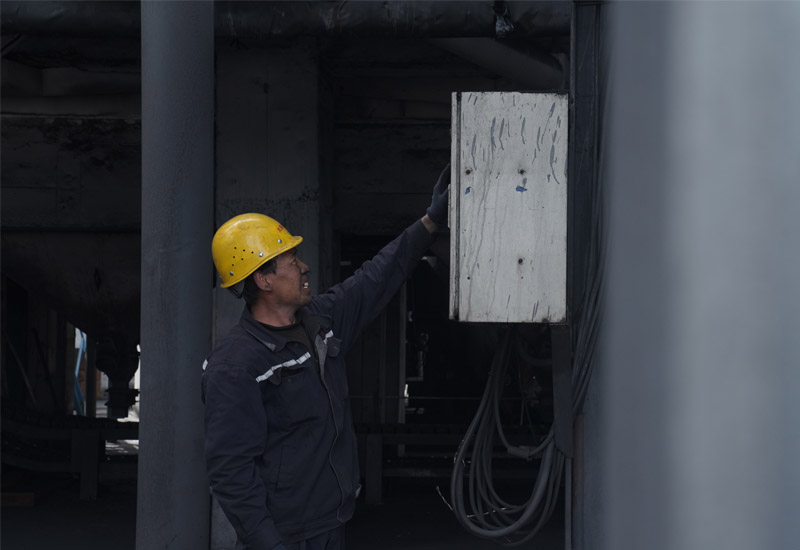
Human activities have significantly disrupted the carbon cycle, primarily through the burning of fossil fuels such as coal, oil, and natural gas. This combustion releases vast amounts of CO2 into the atmosphere, enhancing the greenhouse effect and leading to global warming. Deforestation also exacerbates this problem, as trees that once sequestered carbon are removed, and the carbon stored in their biomass is released back into the atmosphere. These activities have led to increased concentrations of greenhouse gases, resulting in climate change and its associated impacts on ecosystems and human societies.
To mitigate the adverse effects of climate change, it is essential to adopt sustainable practices that restore the balance of the carbon cycle. Efforts can include reforestation and afforestation, promoting renewable energy sources, and implementing carbon capture technologies. By enhancing our understanding of the carbon cycle and taking necessary actions to protect it, we can help ensure a stable climate and a healthier planet for future generations.
In summary, the carbon cycle is a complex system that is vital for sustaining life on Earth. It illustrates how carbon is exchanged and recycled through different spheres of the planet, emphasizing the importance of maintaining this balance. As humans, our responsibilities include recognizing our impact on this cycle and actively participating in efforts to preserve it.
 English
  Arabic
  China
China  Dutch
Dutch  French
  German
  Japanese
  Korean
  Portuguese
  Russian