
Aug . 14, 2024 14:58 Back to list
How Carbon Monoxide Emissions Are Linked to Various Human Activities and Their Impact on Environment
The Role of Automotive Production in Carbon Monoxide Emissions
In recent decades, the automotive industry has been a cornerstone of modern transportation, significantly shaping the way people and goods move. However, this sector also plays a pivotal role in environmental degradation, particularly through the emission of carbon monoxide (CO). Understanding the relationship between automotive production and carbon monoxide is vital for developing strategies to mitigate this harmful pollutant.
Carbon monoxide is a colorless, odorless gas produced through the incomplete combustion of carbon-containing fuels. In the context of automotive production, CO is primarily emitted during the manufacturing process, as well as during the operation of vehicles. The production phase encompasses various processes, including the extraction of raw materials, assembly, and painting, which all contribute to CO emissions.
The Role of Automotive Production in Carbon Monoxide Emissions
Once the raw materials are transformed into vehicle components, the assembly process begins. Factories often operate on high levels of energy consumption, and if this energy is derived from non-renewable sources, the CO emissions can be pronounced. Moreover, processes such as welding, painting, and curing involve the use of chemicals that can emit CO as a byproduct. Paint drying processes, in particular, often involve the combustion of organic solvents, which leads to CO release.
do ac produce carbon monoxide
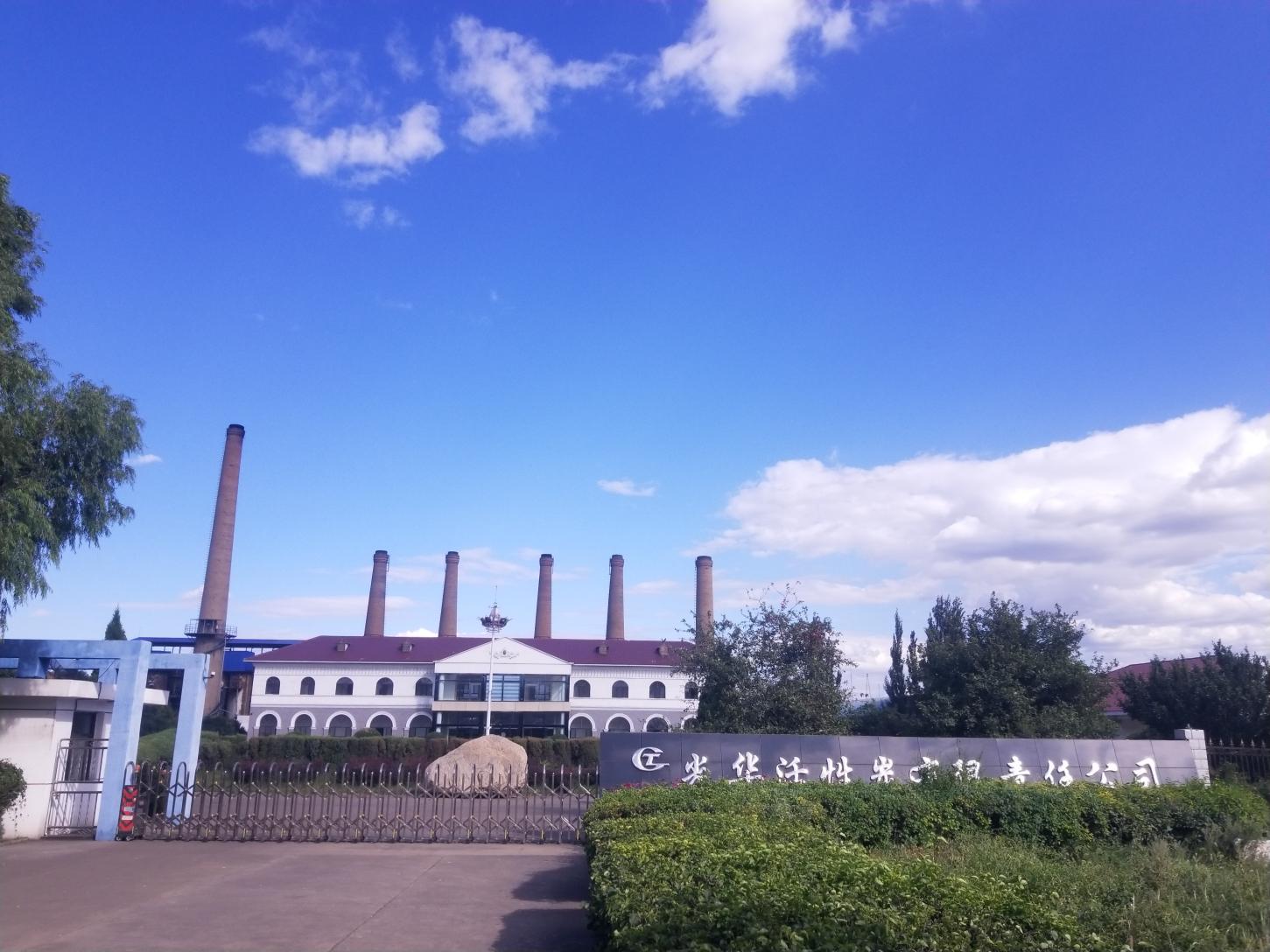
Beyond the production stage, the combustion of fossil fuels in vehicles is the most significant source of carbon monoxide emissions. Gasoline and diesel engines produce CO when the fuel is not burned completely. While modern vehicles have significantly improved emissions controls, particularly with the introduction of catalytic converters, older models and poorly maintained vehicles continue to release higher amounts of CO.
To combat CO emissions, the automotive industry is increasingly adopting innovative technologies and practices. The push for electric vehicles (EVs) is one of the most promising developments. EVs, which are powered by electricity rather than fossil fuels, can virtually eliminate CO emissions during operation. Furthermore, the production of EVs can also see a decrease in CO emissions through the use of renewable energy sources for manufacturing processes.
Moreover, the industry is investing in improved manufacturing techniques aimed at reducing emissions. For instance, advancements in the efficiency of production lines, the use of cleaner energy sources, and the implementation of recycling programs can significantly lessen the carbon footprint of automotive manufacturing. Companies are also prioritizing research into alternative materials that require less energy to produce and have a lower carbon output.
In conclusion, automotive production is intricately linked to carbon monoxide emissions throughout its lifecycle, from raw material extraction to vehicle operation. The challenge of reducing these emissions is pressing, but with technological advancements and a commitment to sustainability, the industry can pave the way for a cleaner future. Transitioning to electric vehicles, employing renewable energy in production, and enhancing manufacturing efficiencies are crucial strategies that can substantially reduce the automotive sector's impact on air quality and the environment. Addressing carbon monoxide emissions in automotive production will not only benefit public health but also contribute to global efforts in combating climate change.
 English
  Arabic
  China
China  Dutch
Dutch  French
  German
  Japanese
  Korean
  Portuguese
  Russian