
Oct . 13, 2024 15:40 Back to list
Benefits and Applications of Activated Carbon in Water and Air Purification
The Role of Activated Carbon Media in Water and Air Purification
Activated carbon media has emerged as an essential component in various filtration and purification processes, playing a pivotal role in ensuring clean water and air in both industrial and residential settings. Its unique properties make it highly effective in absorbing impurities, toxins, and contaminants, thereby improving the quality of the resources we rely on daily.
What is Activated Carbon?
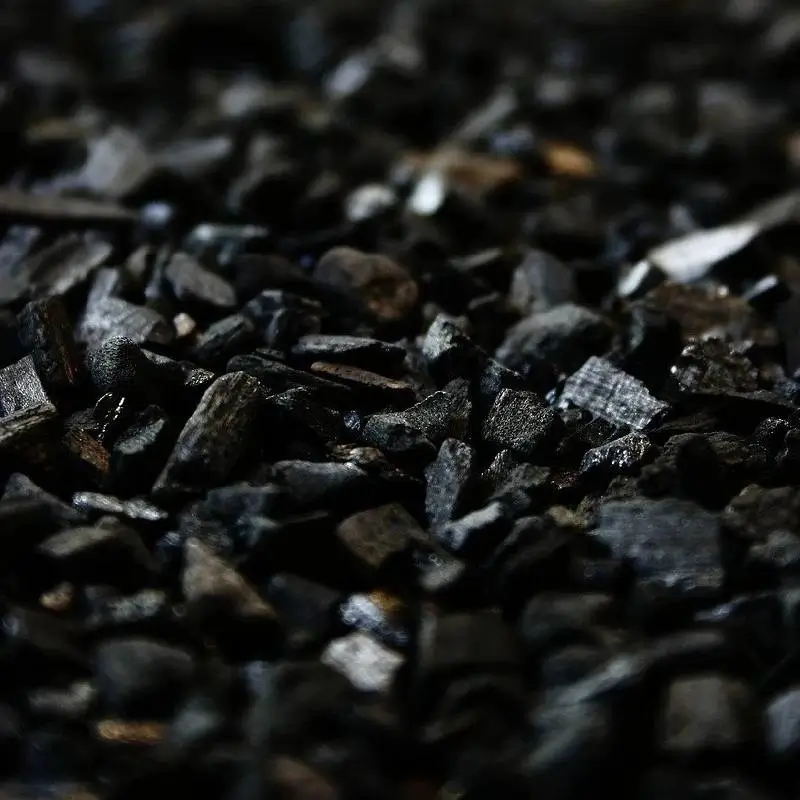
Activated carbon, also known as activated charcoal, is a form of carbon that has been processed to create a vast network of pores, which increases its surface area significantly. This feature allows activated carbon to adsorb a wide variety of substances from gases and liquids. It is commonly produced from organic materials, including wood, coconut shells, and coal, through a process that exposes these materials to high temperatures in the presence of gases. This activation process enhances the material’s porosity and creates a surface area of up to 1500 square meters per gram, making it incredibly effective for filtration purposes.
Applications of Activated Carbon Media
1. Water Treatment One of the primary applications of activated carbon media is in water treatment. It effectively removes chlorine, sediment, volatile organic compounds (VOCs), and other impurities. In municipal water systems, activated carbon filters are often used to ensure the water supply is safe for consumption. Additionally, in individual household systems, activated carbon water filters help improve taste and odor, making drinking water more palatable.
2. Air Purification Activated carbon is equally valuable in the fight against air pollution. Air purifiers containing activated carbon media effectively capture harmful gases, odors, and particulate matter, making indoor environments healthier. These systems are particularly beneficial in industrial settings, where the emission of toxic pollutants poses significant health risks to workers and surrounding communities.
3. Industrial Applications Beyond residential uses, activated carbon media finds a myriad of applications in various industries. It is used in the food industry for decolorizing and refining different products. In the pharmaceutical sector, activated carbon is employed to purify solutions and remove contaminants. The chemical industry utilizes activated carbon for solvent recovery and wastewater treatment, recognizing its ability to adsorb hazardous materials efficiently.
activated carbon media
4. Environmental Remediation Activated carbon plays a critical role in environmental cleanup efforts. It is used to remediate contaminated soil and groundwater, effectively capturing dangerous pollutants and preventing their spread. This process not only protects ecosystems but also safeguards public health by tackling the impacts of industrial waste and spills.
Advantages of Using Activated Carbon Media
The use of activated carbon media offers numerous advantages. Its high adsorption capacity allows for the effective removal of a wide array of contaminants. It is non-toxic and safe for use in various applications, making it suitable for both humans and the environment. Additionally, activated carbon can be regenerated, allowing it to be reused multiple times, which is both economically and environmentally beneficial.
Challenges and Considerations
Despite its effectiveness, there are some challenges associated with activated carbon media. Over time, the carbon can become saturated with adsorbed substances, requiring frequent replacement or regeneration. Moreover, not all contaminants are equally amenable to adsorption by activated carbon; for some specific pollutants, different filtration technologies may be necessary.
Conclusion
Activated carbon media is a powerful tool in the pursuit of clean water and air. Its unique properties make it highly effective in removing a broad spectrum of pollutants, and its applications span a variety of industries and uses. As we continue to face environmental challenges and health concerns related to pollution, the role of activated carbon in purification processes will undoubtedly become increasingly important. By harnessing its capabilities, we can strive for a healthier and more sustainable future.
 English
  Arabic
  China
China  Dutch
Dutch  French
  German
  Japanese
  Korean
  Portuguese
  Russian