

Water sources can be contaminated by bacteria, heavy metals and other contaminants. Charcoal filters, or carbon filters, are a common method of water filtration; they come in various types. Charcoal filters can be attached to the water faucet, used in refrigerator water filters, contained in the lid of a water carafe and used in under the sink filtration units. Carbon for filters is derived from charcoal and the terms are used interchangeably. Carbon filters solve some water problems, but may cause others.
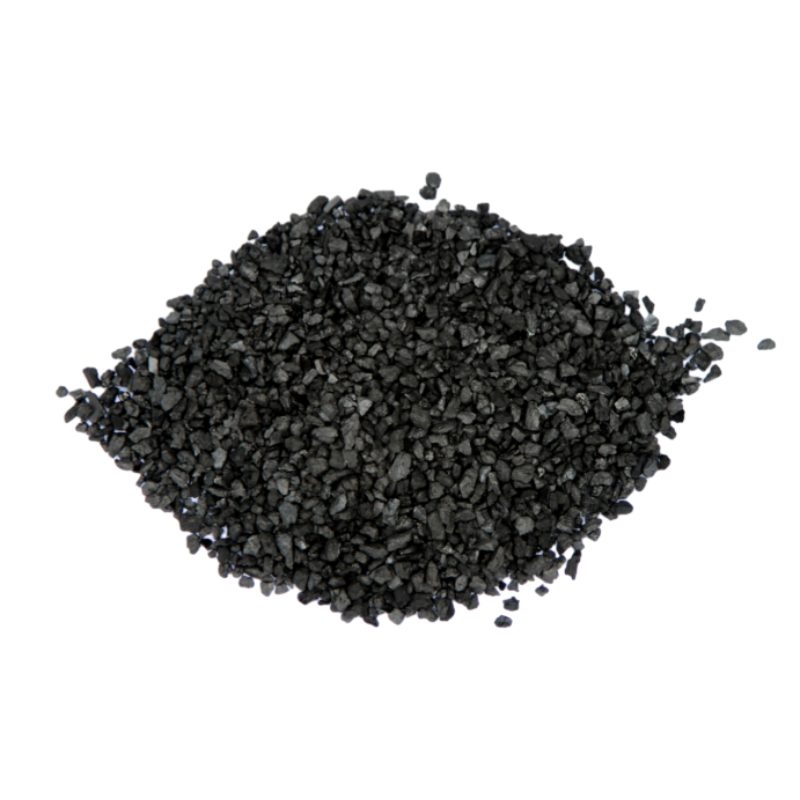
Raw coal crushed activated carbon
Limited Filtration
Carbon filters are good for removing organic compounds that make water taste and smell bad, according to North Carolina State University. The downside to carbon filters is they do not filter out heavy metals, fluoride, bacteria or microorganisms that may be in the water. There are more than 300 pollutants in U.S. tap water, according to the Environmental Working Group. The fact that carbon filters have a short working life and need to be replaced often, according to The Environmental Illness Resource, exacerbates this problem.
Ineffective Amount of Carbon
For a carbon filter to be practical, it must contain enough carbon in the filter to be effective, according to North Carolina State University. Otherwise, the filter will not remove contaminants from the water.
Water Flush Time
Another problem with carbon filtration is the amount of time water needs to be in contact with the filter to be effective. The longer the water stays in the carbon filter, the more effective the filtration. Most countertop carbon filtration units do not allow for enough time for the water filter to be effective at removing impurities.
Bacteria
Carbon filters can harbor bacteria, according to NSF International. Carbon filters trap some contaminants while other bacteria adhere to the surface of the charcoal. If the carbon filter is not replaced often enough, bacteria build up on the surface of the carbon and fill the entire surface. When water is poured through the saturated filter, it does not filter effectively and some of the bacteria can contaminate the water.
Each filter cartridge has a service cycle depending on the size and type of carbon unit. The service cycle may be rated in number of gallons used or in months. Either way, it is important to change the filter regularly to ensure proper water filtration.
Replacement Contaminants
Carbon filter replacements are not created equal. A non-certified filter cartridge may be sub-standard to the manufacturer of the filtration unit's carbon filter. Using poor quality replacements will lower the efficiency of the carbon filtration unit and can introduce impurities in drinking water. If the carbon replacement was not tested for material safety, it can introduce impurities from materials used in the manufacturing process, according to NSF International.

 Korean
  English
  Arabic
  China
China  Dutch
Dutch  French
  German
  Japanese
  Portuguese
  Russian