
Nov . 16, 2024 05:20 Back to list
carbon-black
The Significance of Carbon Black in Modern Industry
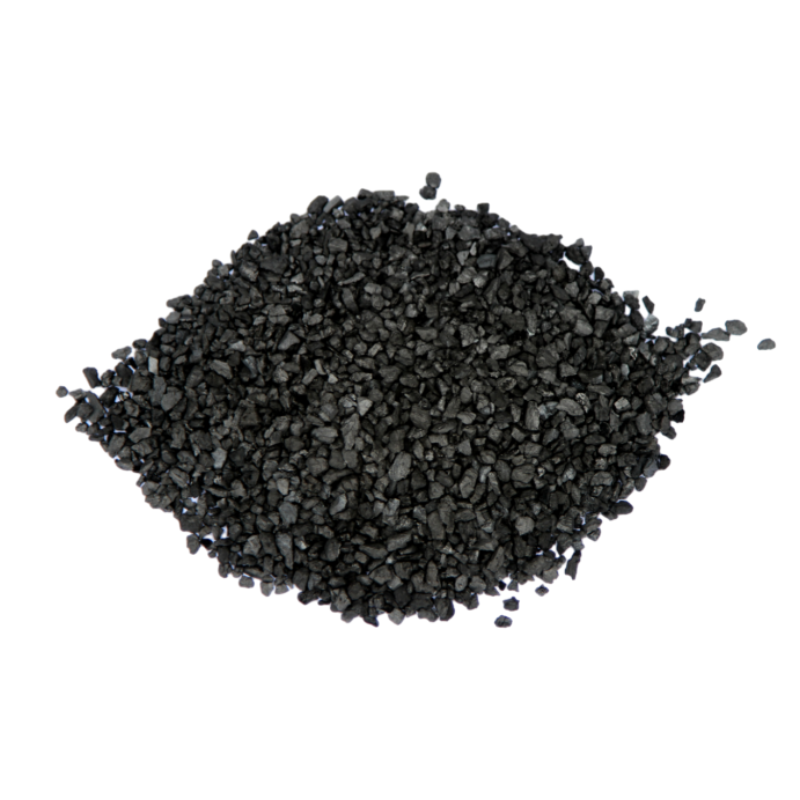
Carbon black is a vital material in various industries, recognized for its exceptional properties and wide-ranging applications. It is a fine black powder made by the incomplete combustion of heavy petroleum products, and it primarily consists of elemental carbon. The significance of carbon black spans multiple sectors including automotive, plastics, electronics, and coatings, making it an indispensable component of modern manufacturing.
Production and Types of Carbon Black
The production of carbon black typically involves a process called furnacing, where hydrocarbons are thermally decomposed in a controlled environment. Depending on the conditions of this process, different grades of carbon black can be produced, each with unique characteristics suitable for specific applications. The main types include channel black, furnace black, and acetylene black, differing in structure, particle size, and surface area. Furnace black is the most widely used type, accounting for approximately 90% of carbon black production due to its favorable balance of performance and cost.
Applications in the Automotive Industry
One of the most prominent applications of carbon black is in the automotive industry, particularly in the manufacture of tires. Carbon black enhances the strength, durability, and wear resistance of rubber, thus improving vehicle safety and performance. Tires with carbon black exhibit better abrasion resistance, ensuring they last longer while providing excellent traction. Moreover, carbon black contributes to the heat resistance of tires, making them safer under high-speed conditions. Given the increasing focus on sustainability, the automotive industry is also exploring environmentally friendly alternatives to traditional carbon black, such as bio-based carbon blacks.
Role in Plastics and Electronics
carbon-black
In the plastics sector, carbon black serves as a colorant, enhancing the aesthetic appeal of products while also providing UV protection. Many plastic products, from containers to automotive parts, benefit from the addition of carbon black, which not only improves color stability but also increases the longevity of the material. For instance, polyethylene and polypropylene, commonly used in packaging and everyday items, often contain carbon black to enhance their resistance to UV degradation.
In electronics, carbon black is utilized in conductive compounds, serving as a key ingredient in the production of conductive plastics and coatings. These materials are essential for applications requiring electrical conductivity, such as antistatic devices and electromagnetic interference shielding. The unique properties of carbon black make it a perfect choice for enhancing the performance of electronic components, ensuring reliability and safety in various applications.
Environmental Considerations and Innovations
Despite its numerous benefits, the production and use of carbon black are not without environmental concerns. The process of manufacturing carbon black can lead to emissions of volatile organic compounds and particulate matter, prompting regulatory scrutiny. Consequently, the industry is investing in research and development to create more sustainable production methods. Innovations such as using renewable feedstocks and advanced filtration systems aim to reduce the environmental impact while maintaining the performance characteristics of carbon black.
Additionally, the recycling of carbon black is gaining momentum. Reclaimed carbon black from used tires and other rubber products not only reduces waste but also provides a potential source of material for new applications. This circular economy approach is crucial for limiting the environmental footprint of carbon black production and usage.
Conclusion
In summary, carbon black plays a crucial role in enhancing the performance and durability of a wide array of products across various industries, particularly in automotive, plastics, and electronics. As industries continue to evolve, the demand for carbon black is likely to increase, making it essential to address environmental challenges associated with its production. Through innovation and sustainable practices, the carbon black industry can continue to thrive while contributing to the advancement of technology and environmental sustainability. As we look to the future, carbon black will undoubtedly remain a cornerstone of modern manufacturing, shaping the quality and longevity of countless products we depend on daily.
 French
  English
  Arabic
  China
China  Dutch
Dutch  German
  Japanese
  Korean
  Portuguese
  Russian